
































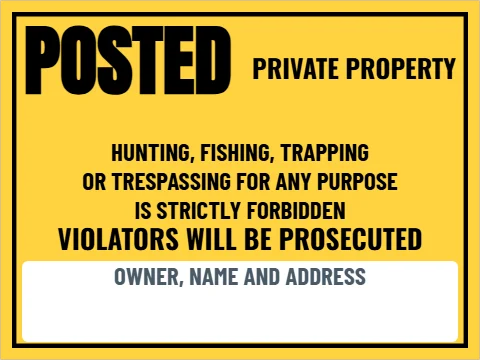




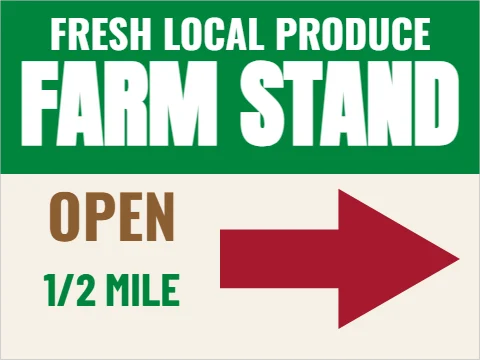


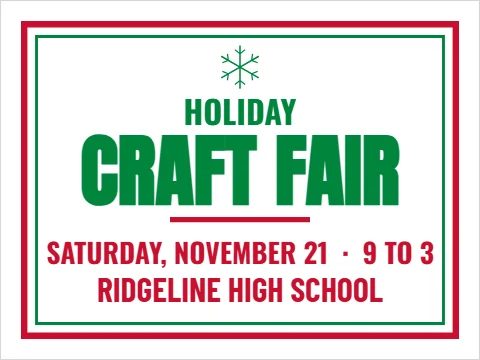



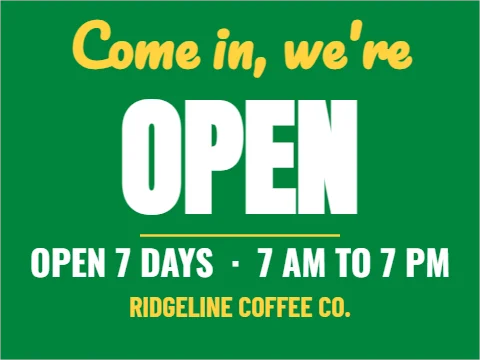
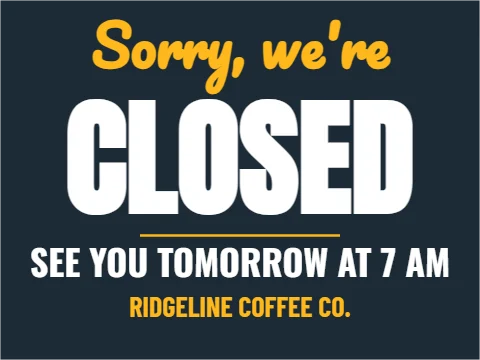
What makes a yard sign work
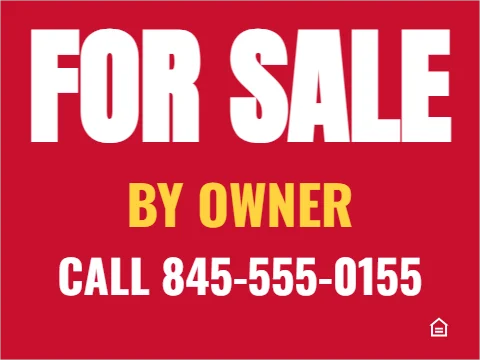
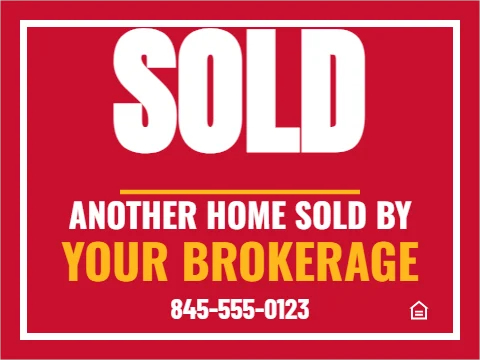
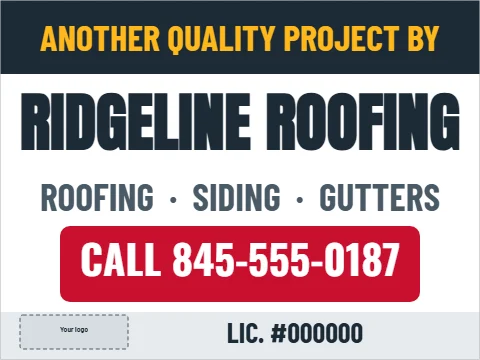
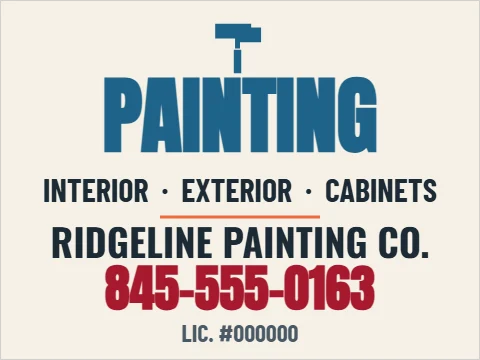
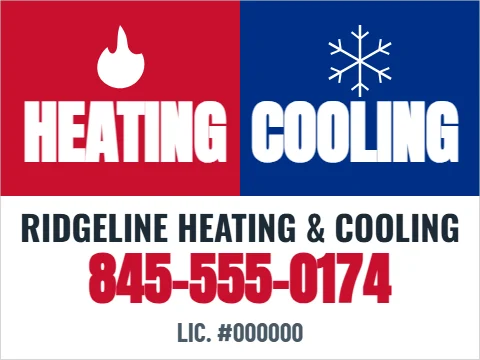
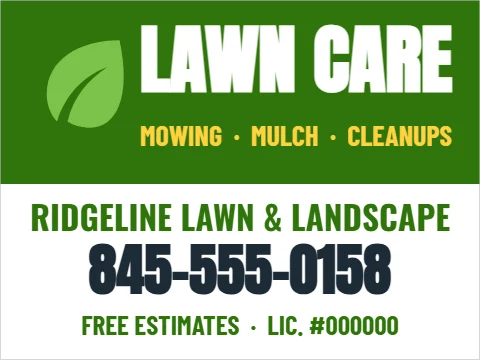
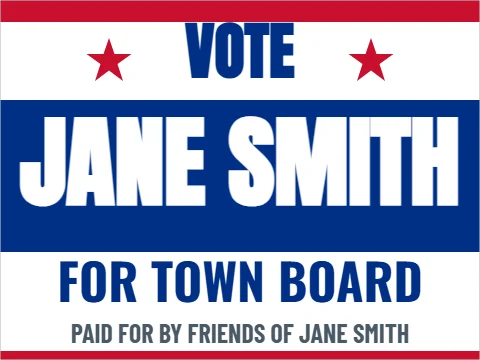
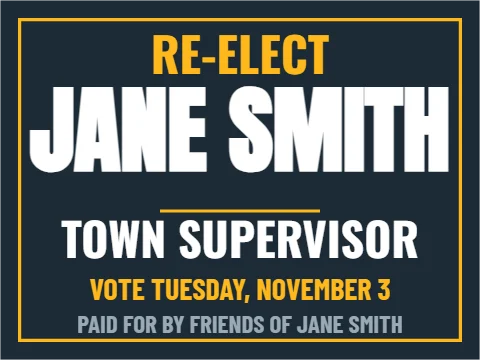
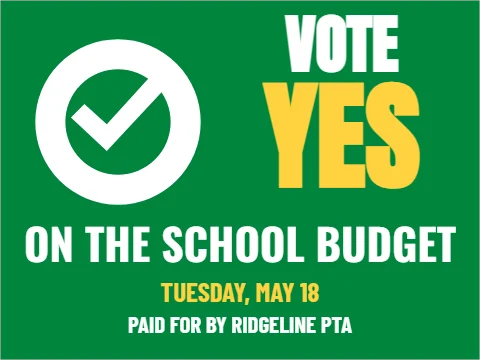
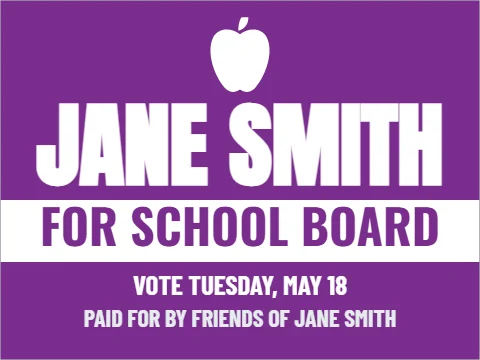
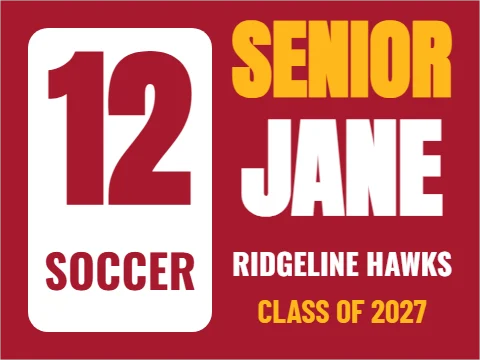
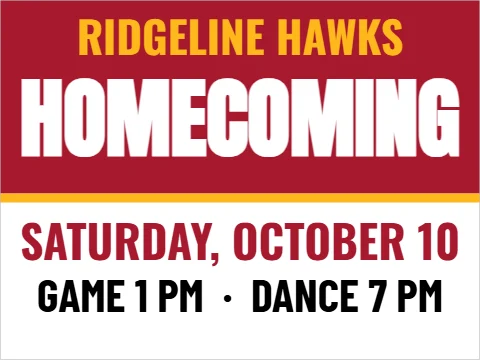
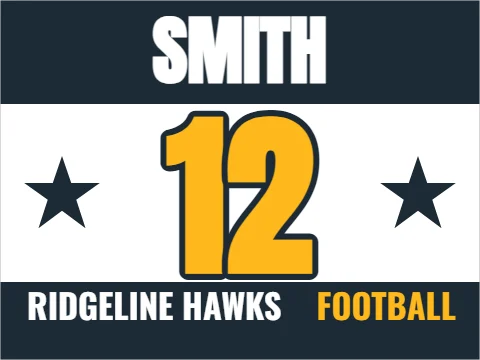
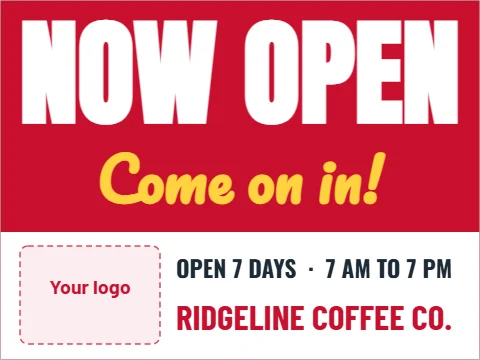
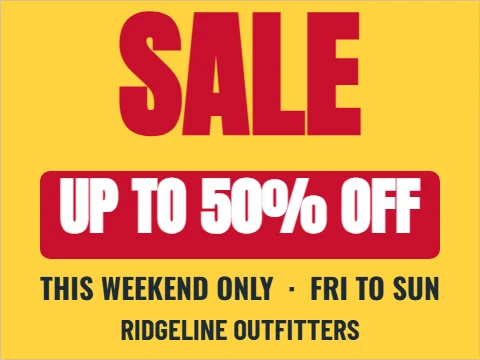
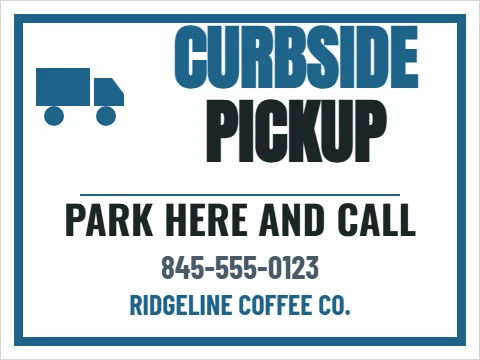
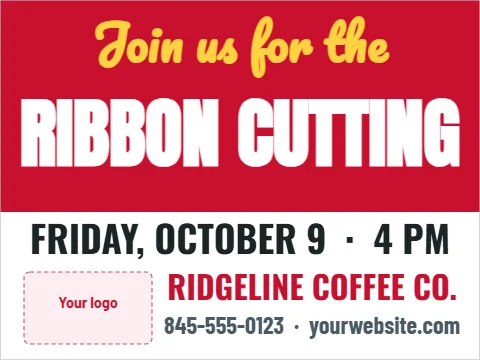
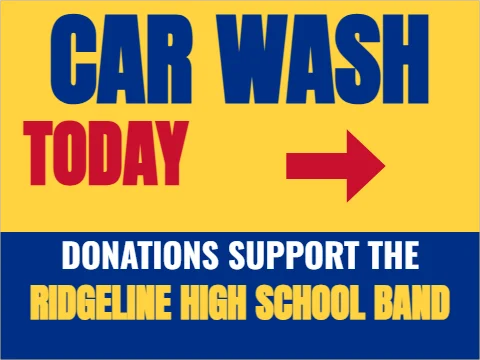
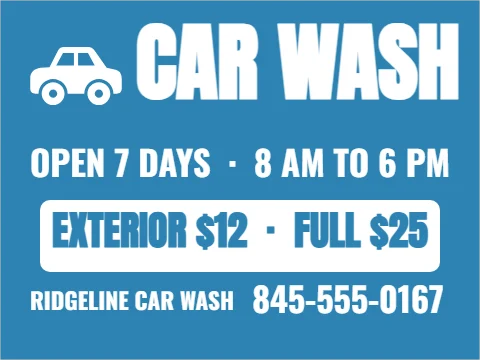
A yard sign is read in a couple of seconds by someone driving past, so the templates keep to one idea: a headline of seven words or fewer, a supporting line, and the way to reach you. The headline on a 24" × 18" sign is set 4.5 to 6 inches tall, which reads from about 50 feet; the phone number sits at 2 inches or more, all ten digits on one line.
Leave the rest for your website. Five lines of services on a lawn sign become a blur at 30 miles an hour, while one bold line gets remembered.
Sizes
- 24" × 18": the standard lawn sign, and the size most templates are drawn for first.
- 18" × 12": smaller and cheaper, for directional arrows, riders and signs read up close.
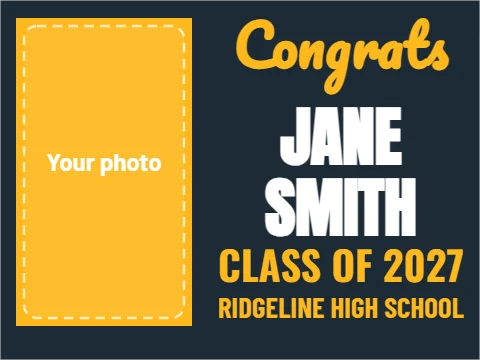
- 24" × 36": a tall sign with room for a photo, used for graduates, athletes and agents.
- 24" × 24" and 32" × 24": a square sign for a logo or a job site, and a bigger lawn sign with room for a photo.
- 12" × 12" to 24" × 12": small signs for a door, a walkway or an arrow.
- 24" × 6", 32" × 6" and 36" × 6": riders for a sign frame, a fence or a door.
- 36" × 12" up to 48" × 48": large panels for job sites, fences and corner lots, hung with grommets or on posts.
Every template has a layout for each shape, so switching sizes lays your words out again instead of stretching them. The bottom inch and a half of a staked sign sits close to the grass, and the templates keep your words above it.
Printing, sides and stakes
Signs are printed on 4mm corrugated plastic, on one side or both, or on heavier 6mm, 8mm or 10mm board for a sign that stays up longer. For a sign people see from both directions, print both sides: it costs a little more than one side and far less than a second sign. Add H-stakes to push them straight into the lawn, or leave them off if the signs go in a frame or on a fence.